
 Русский
  Українська
 What is Varicose Veins?
This is a condition in which the blood vessels that carry blood to the heart become elongated and increase in diameter. Varicose vein disease (VVD) is predominantly observed in the lower extremities and is accompanied by the appearance of a bluish network and painful nodes. An important factor in this disease is the insufficiency of venous valves and the weakness of the vascular wall.
In modern times, varicose veins are very common. In terms of the total number of affected individuals, it ranks second after dental caries. Every third woman and every tenth man suffer from this disease. Statistical data from medical research indicate that varicose veins have become significantly “younger,” with the condition being observed in 30–50% of individuals of the white race.
Main Causes of Varicose Veins:
- Excess body weight
- Hormonal imbalance (caused by medication, pregnancy)
- Work that forces you to remain constantly in a sitting or standing position
- Intensive and prolonged physical exertion
- Heredity
- Sports overloading
- High environmental temperature
- Nervous tension and stress
- Smoking and regular alcohol consumption
As a result of these factors, intravascular pressure increases, nerve endings in the vein walls are stimulated, and the vessel becomes elastic, painful, quickly loses tone, and expands.
An important role in the etiology of the disease is played by wearing uncomfortable clothing and shoes. Tight, snug-fitting pants often provoke the formation of varicose networks. Shoes with narrow soles and high heels place a significant strain on the legs and therefore on the veins. The wider and lower the shoes, the fewer chances there are for varicose veins to develop.
Factors of VVD
The harmful effects of these factors impair the function of venous valves. The result of such an impact is the so-called reflux in the veins of the lower extremities – this is the reverse flow of blood, which can be horizontal or vertical. Pathologies of venous valves lead to an increased load on the veins of the lower extremities, and the disease progresses.
What Are the Symptoms of Varicose Veins?
The symptoms of varicose veins depend on the stage of the disease.
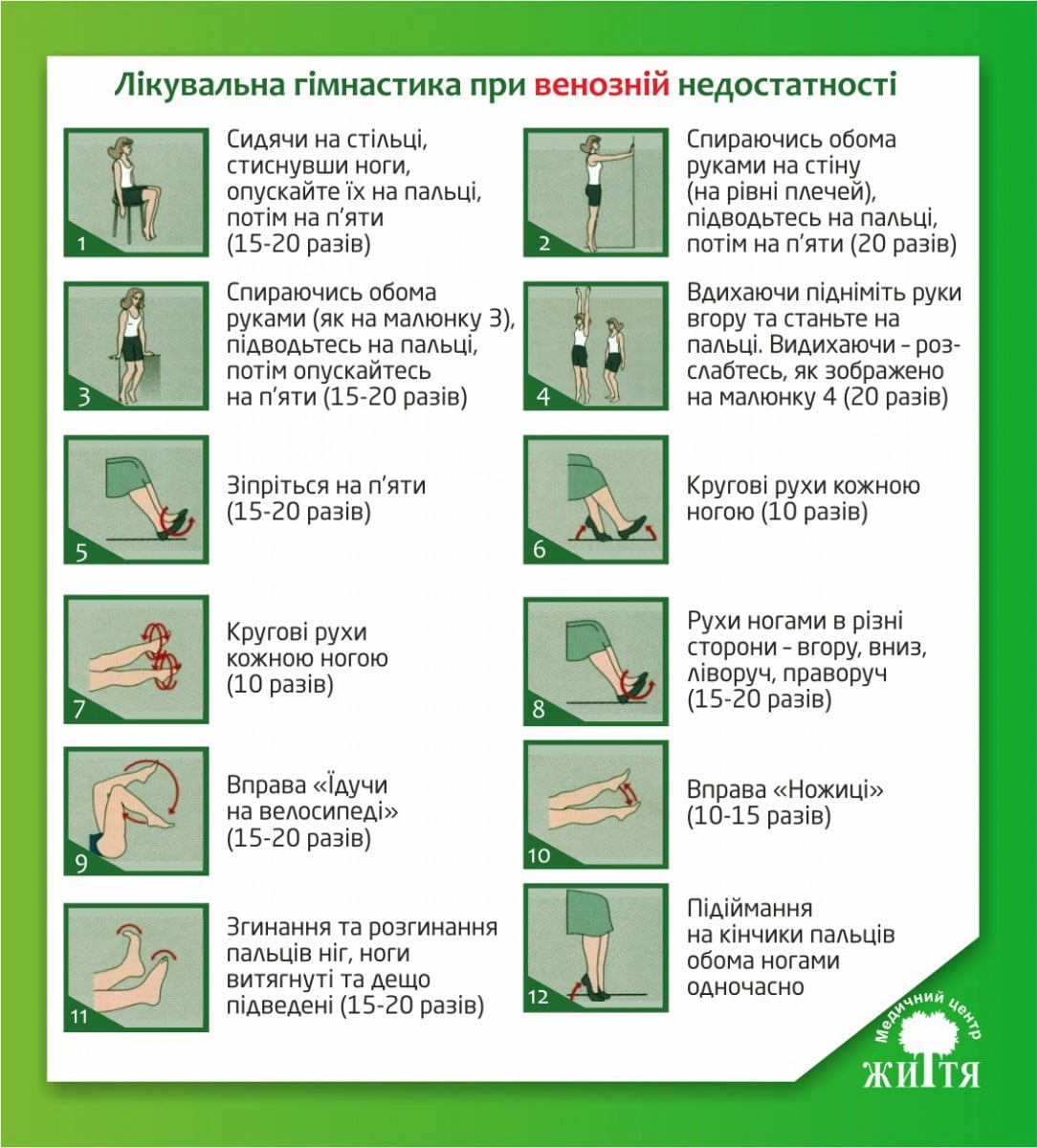
- At the initial stages of varicose veins, there is a feeling of fullness and heaviness in the legs, small venous networks, and nighttime cramps.
- Later, swelling, pain, and rapid fatigue appear. Symptoms worsen after physical exertion.
- Subsequently, itching, a burning sensation in the muscles, dryness, and hyperpigmentation of the skin may occur.
These phenomena may be joined by eczema, dermatitis, and tissue trophic disturbances in the form of wounds that heal poorly. As the disease progresses, complications arise. A severe complication of varicose veins can be thrombophlebitis or trophic ulcers. Even minor injuries can cause heavy venous bleeding that is difficult to treat.
The manifestations of varicose disease should be a signal for urgent referral to a phlebologist or surgeon.
How Are Varicose Veins Treated?
The main diagnostic method for varicose veins is color duplex sonography. After a complete and accurate diagnosis, the doctor prescribes the treatment for varicose veins, which can include:
- Conservative treatment
- Surgical treatment
- Minimally invasive treatment
Conservative Therapy
Conservative treatment for varicose veins is prescribed depending on the stage and manifestations of the disease. The therapy is carried out using two methods:
- Compression
- Medicinal
Regular wearing of compression knitwear leads to the equalization of pressure across all the veins in the lower extremities, resulting in the quick normalization of full blood flow and vascular tone.
Additionally, due to the tight adherence of the special elastic material to the skin of the legs, the veins are less prone to forming dangerous clots.
Anti-varicose knitwear comes in two types:
- Therapeutic
- Preventive
A specialist will determine which type is suitable specifically for you.
Medication therapy is presented in capsule, tablet, and liquid forms that:
- Provide a toning effect
- Suppress inflammatory processes
- Improve blood and lymph flow
- Optimize microcirculation
Surgical Therapy
Operative treatment of varicose veins is carried out using:
- Stripping of the great and small saphenous veins
- Phlebectomy
- Ligation of the sapheno-femoral junction
- Endoscopic dissection of perforating veins
Currently, these methods are used in clinics that lack facilities for minimally invasive procedures.
Minimally Invasive Treatment
This direction of anti-varicose therapy is based on the closure of incompetent subcutaneous and perforating veins with valve insufficiency. The treatment is performed using thermal ablation and the introduction of a “sclerosing agent,” which initially causes the adhesion of the vein walls, followed by the complete resorption of the vein.
We use the most modern and effective method of combating varicose veins – endovenous laser ablation (EVLA). Today, this method is considered the most popular worldwide.
Thanks to medical technological innovations, varicose vein treatment has become much easier and safer. Horrific hematomas and bruises from surgical vein stripping are now a thing of the past. Instead, a neat and delicate intravascular laser is used, leaving no skin damage.
EVLA Procedure
The need for EVLA is determined by a phlebologist during a consultation. Based on examination data and diagnostic indicators, a list of therapeutic measures is prescribed.
Laser ablation takes about 1 hour. The operation will not disrupt your usual lifestyle or work activities. Recovery is quick and easy. Immediately after EVLA, you will wear compression knitwear and be discharged home.
To ensure a successful rehabilitation period, follow these rules:
- Walk at a leisurely pace for at least 1–2 hours daily
- Wear compression stockings
- Avoid intense physical training and work involving heavy lifting
- Abstain from alcohol
- Avoid spas, saunas, tanning beds, and direct sunlight
- Wear comfortable shoes (women should avoid high heels)
Why Seal Veins?
Veins that have expanded due to varicose disease have valve dysfunction. In such vessels, blood stagnates, becoming thick, like a river in which a swamp forms. In varicose veins, this thickening threatens thrombosis. An effective way to eliminate it is laser sealing of blood vessels. As a result, thrombus formation and its dangerous consequences can be prevented.
By following these recommendations and seeking timely medical attention, you can manage the disease effectively. Be healthy!